Warm first
The winter bag
For cold camp nights
See the camp tourGuides
Language
Currency
Find open dates$206 and up · free cancelTap-to-check list
2-day Bahariya Oasis camp tour from Cairo
★ 4.9 · From 792 reviews
List of 13 items
Tick items as you finish them. We save your progress on this device.
0 / 13 ready
Nothing left to do. Only your date and your hotel pickup in Cairo or Giza are left to choose.
Reserve a spotA tent night in the desert swings from warm sand at noon to a real chill after dark. Here is what to put in the bag, season by season, and what to leave behind.
Editorial team, bahariyaoasis.quest · Updated November 23, 2026 · Reading: 8 min
The essentials
A White Desert camping tour is a different kind of packing job from a city break, and it helps to start with what the listing actually says about the night. Guests on the 2-day camp tour spend the night in tents, and the listing adds that the camp has no toilet facility. That one line shapes the bag: a few pocket-sized items for a night outdoors matter more than a second pair of jeans. Read the listing again before you pack and treat it as your starting list.
The group is small, capped at 13 participants, and the shared departure needs 2 people at the very least. A small party means shared space, so pack light and keep your things in one soft bag that can sit in a tent corner without taking over. Hard suitcases are awkward in a jeep and in a tent. A duffel or a backpack folds, squashes and rides well on a bumpy track, and it is easier for a driver to load next to other bags.
Your day begins when the driver collects you at your hotel in Cairo or Giza, and a long-range pickup elsewhere in the city can be added at checkout. Leave anything valuable you do not need in the hotel, and take only what the desert will use. The listing names a night of camping, the White Desert, the Black Desert and Crystal Mountain among its highlights, so expect sand, rock and a long drive rather than shops and cafes. It is the kind of safari camp in Bahariya Oasis where the beds are tents and the extras are few.
By season
| Month | Average high | Average low | Pack more of |
|---|---|---|---|
| January | 20.1 °C1 | 7.5 °C1 | Warm layers |
| April | 29.5 °C1 | 14.3 °C1 | Both ends |
| July | 37.3 °C1 | 22.7 °C1 | Sun and water |
| October | 30.5 °C1 | 17.5 °C1 | Both ends |
Temperatures are averages for the BAHARIA station, which records no rainfall in the file used here; a camp in the open desert can feel colder at night.1
The surprise for many first-time campers is the temperature after sunset. The nearest weather station to Bawiti, BAHARIA, records an average high of 20.1 °C in January and an average low of 7.5 °C.1 December is close behind, with a high of 20.3 °C and a low of 7.4 °C.1 Those are averages for a settlement, and a camp in open desert can feel colder once the wind picks up.
The environment agency's draft plan for the park describes very hot summer days and very low temperatures at night in winter, and puts the average minimum below zero.3 Treat that as a reason to bring a proper warm layer rather than a thin hoodie. A fleece, a wind-proof jacket, long trousers, a warm hat and gloves all fit in a small bag, and a pair of thick socks for the tent costs nothing to carry.
One heavy coat suits the evening only, while layers follow the day from warm noon to cold night. Wear a light base layer, add a fleece when the sun drops, and keep the shell for the wind. Sit near the fire for tea and the stars, and you will be glad of every item. Day length is short in midwinter, with only 10.4 hrs of daylight in mid-December, which leaves a long evening to fill.1
From May to September the question flips from keeping warm to keeping cool. In July the BAHARIA station records a mean high of 37.3 °C and a mean low of 22.7 °C.1 The Egyptian Tourism Authority adds that temperatures in Bahariya can reach 35 to 45 °C in summer.2 At those numbers the desert sun is a safety matter and not a detail, so the bag needs shade, water and loose clothing.
A wide-brimmed hat or a scarf, sunglasses, a high-factor sunscreen and a long, light, loose shirt cover your skin better than shorts and a vest. Cotton or linen breathes, and pale colours reflect heat. Bring a refillable bottle, and take more water than you think you will drink. The tour listing is silent on what water is provided, so do not assume a supply and ask your operator before the day.
Humidity is low, which can hide how much you sweat. Humidity swings from 5 % in winter to 56 % in summer in the environment agency's draft plan.7 Dry air pulls moisture off your skin and lips, so lip balm and a moisturiser are worth their weight. Shoulder months fall in between, with October at a high of 30.5 °C and a low of 17.5 °C, so pack for both ends and decide on the morning.1
Match your trip
Say when you travel and what worries you, and see what to put on top.
If I travel in December or January
Warm layers on top
The average low is 7.5 °C in January and 7.4 °C in December.1,1
If I travel in July or August
Sun cover and water
July highs average 37.3 °C.1
If I feel the cold easily
Extra layer and a hat
The draft plan for the area gives an average minimum below zero.3
If I hate sand in my gear
Zip bags and a scarf
Sandboarding is listed for the White Desert, and the wind polishes the chalk.4,5
If I have a small bag
A soft duffel, not a case
The group is limited to 13 participants, and the camp has tents.
Three kits
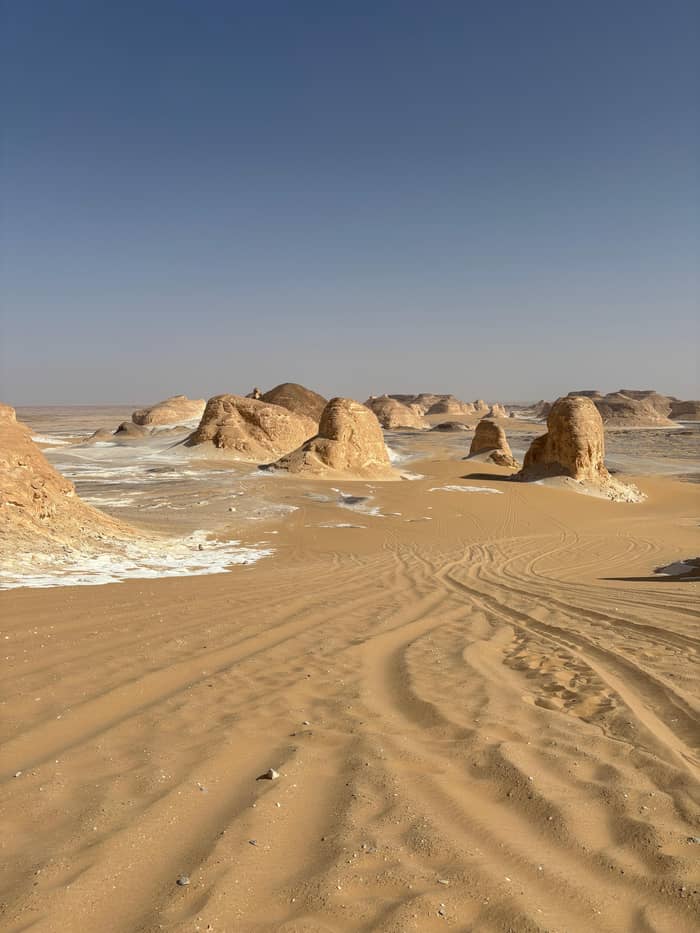
Warm first
For cold camp nights
See the camp tour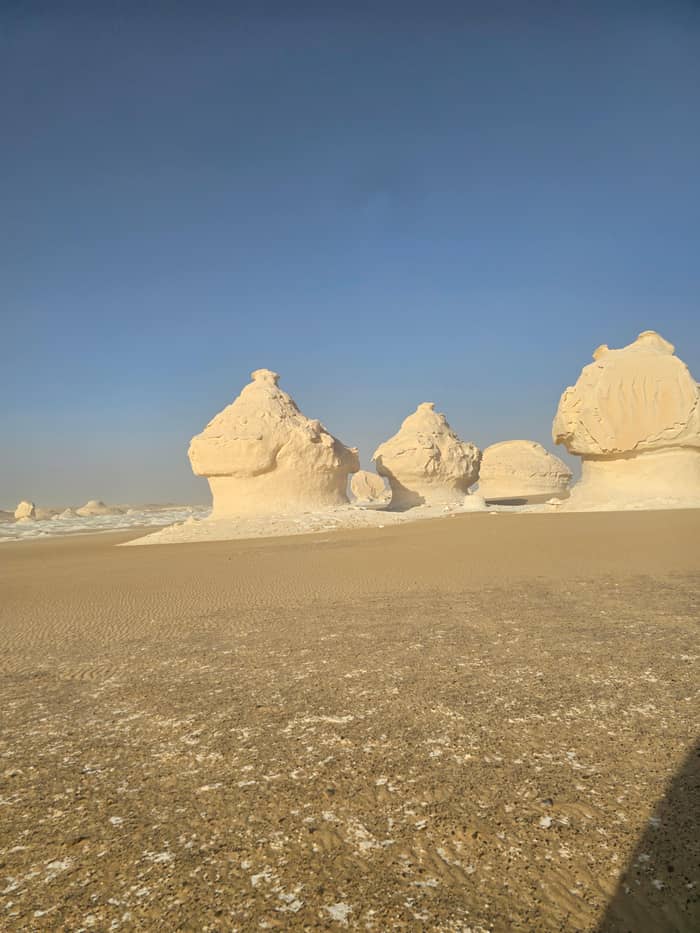
Flexible
For the shoulder months
See the camp tour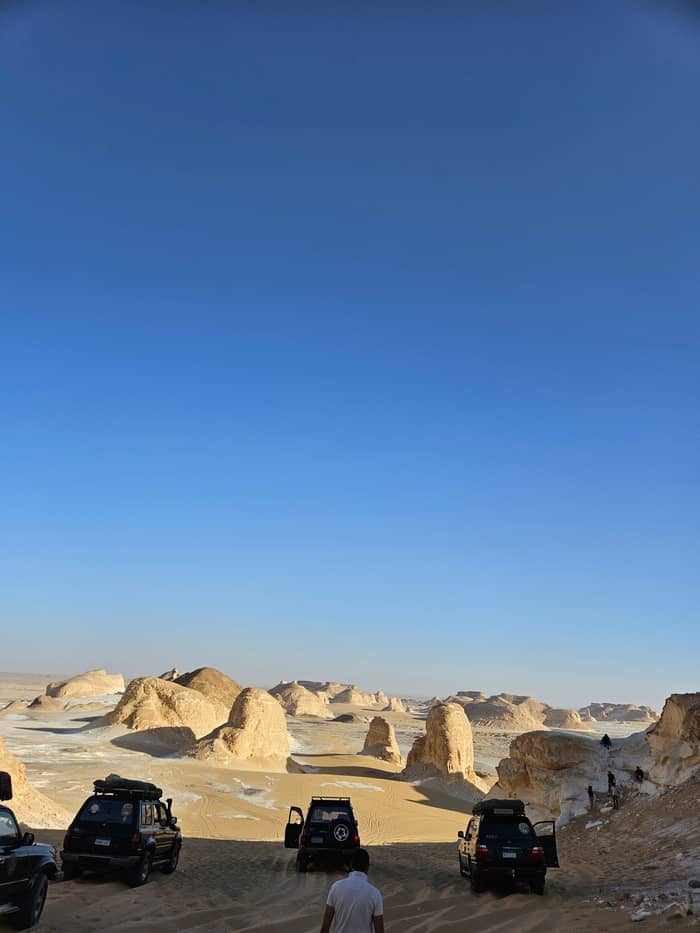
Cool first
For hot desert days
See the camp tourShoes matter more than any single piece of clothing. Closed shoes with a grip handle rock, gravel and soft sand, while flip-flops fill with sand and leave your toes exposed on cold ground. Carry a pair of sandals for the tent and a pair of trainers or light boots for walking. Gaiters are not needed, but a spare pair of socks per day keeps your feet comfortable.
The Ministry of Tourism and Antiquities lists sandboarding in the White Desert among its insider picks for Al-Bahariyya.4 If a stop includes a dune run, wear trousers that can take a little sand, and bring a cloth or a scarf to cover your mouth in the wind. Sand finds its way into everything, including camera lenses and phone ports, so a few zip bags earn their place.
The white chalk landscape itself is polished by wind. The environment agency's draft plan says the pitted and polished surfaces of the chalk stacks are characteristic of wind action.5 That means gusts are part of the scenery, and a buff, a light scarf or sunglasses with a close fit are good for the day. Keep a small towel or wipes in your bag, because water for washing is scarce in a camp.
The day in order
The evening before
Put the warm layer on top, charge the torch and the power bank, and fill a bottle for the morning.
Pickup day
The tour collects guests from a hotel in Cairo or Giza, so wear the day clothes and your walking shoes.
Midday
Hat, sunscreen and water matter most while you travel through the desert and see the Black Desert and Crystal Mountain.
Sunset
The temperature drops fast once the sun is down, so put on the fleece before you feel cold.
The camp night
Guests sleep in tents, with no toilet facility, so use the tissues and the torch you packed.
Next morning
Breakfast at the campsite is followed by English Mountain, Bawiti and a drive back to Cairo or Giza.
A camp night is gentler with a short list of small things. A head torch frees your hands in the dark and is far kinder than a phone light on a walk to the tent. A power bank keeps a phone alive for photos, and wet wipes and tissues help where no facilities exist. A small pack of toilet paper in a zip bag earns its place, since the camp has no toilet facility.
The night sky can be a highlight, with the desert far from city lights. Bring a warm layer for sitting still, because you will cool quickly when you stop moving. Earplugs are useful in a shared tent, and a light eye mask helps with an early sunrise. Prescription medicine, plasters, blister tape and a basic first-aid kit, and any allergy tablets belong in your day bag, not the main one.
Travel insurance is recommended on the listing, so check that your policy covers a desert excursion before you leave. Carry your passport or a clear copy and your booking voucher, because the operator can ask for details. Private camp listings ask guests to send a copy of each passport to the local partner before the tour, so look at the listing you booked.
Video
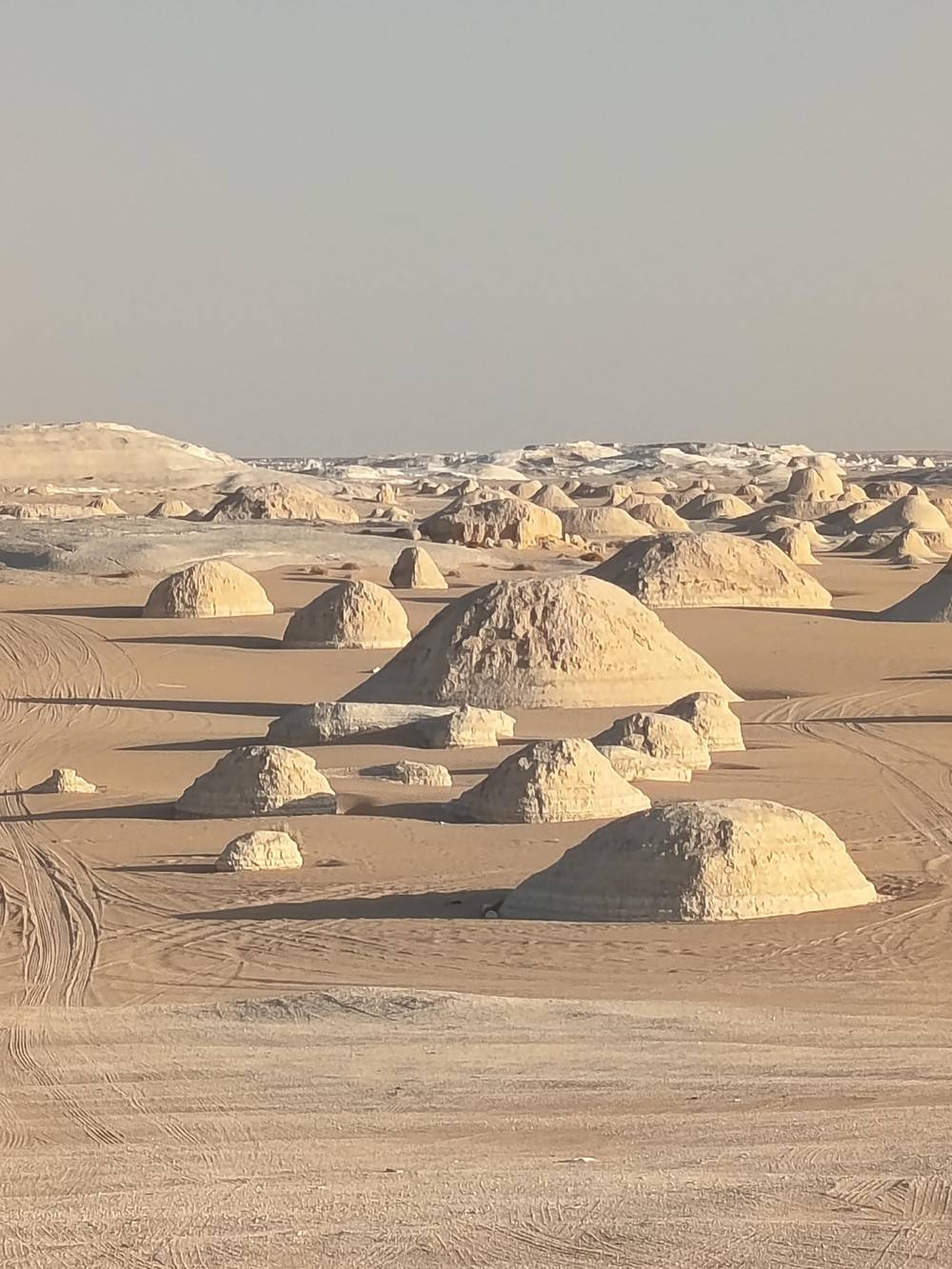
LifeXplorers And Shares on YouTube · Nothing is fetched until you hit play.
perhaps the most visible types of visitors is red fox or sand rubles, which are frequently seen at night near the camps
The White Desert is a protected area, and the way you pack changes what you leave behind. The environment agency's draft plan asks for clean-up campaigns in the park and along its edges.8 The practical meaning is simple: carry out everything you carry in. Bring a small rubbish bag, and do not leave bottles, wrappers, wipes or cigarette ends in the sand.
Wildlife comes close to camps. The draft plan counts the red fox among the most visible animals around the camps after dark.6 That is a good reason to keep food sealed and your tent closed, and to resist feeding any animal. A fox that learns that people mean food loses the habit of finding its own. Bring a small lockable or zipped bag for snacks.
Camping is managed too. The draft plan proposes limiting camping in its recreational zone to designated sites.9 Your operator picks the site, so you do not need to hunt for one, and you should not wander off to set up your own tent. Stay on the tracks your driver uses, and leave stones, fossils and chalk pieces where you find them, so that the next group sees the same landscape.
If you like a plan, here is a simple one. Put the warm layers in the bag first, then the day clothes, then the small items. Keep the sun kit and water within reach. Lay out your documents and a small amount of cash, since a camp tour is rarely the place for a card terminal. Charge a power bank and a torch the evening before you travel, and download any offline map or music you want.
On the morning of the tour, wear your day clothes and carry the warm layer on top of the bag, so it is ready when the sun drops. Wear the shoes you will walk in, because a bag in the boot is hard to reach during a stop. If the morning starts early, eat something light and fill your bottle before the hotel pickup in Cairo or Giza.
Remember that the trip is a tour of 2 days with pickup included, a night of camping and a drive back on the second day. Your hotel can usually keep a spare bag until you return, so travel light with the items above. A place costs from $206, and cancelling costs nothing until a day before, which leaves room to check your kit.
FAQ
The listing says the camp offers no toilet facility, so pack tissues and a small rubbish bag.
The listing record names no bedding, so ask your operator what is provided before you pack your own.
The draft plan puts the average minimum below zero for the area.3
Bring small notes for personal items, since the listing record names no entrance fee or meal list for this tour.
The Ministry of Tourism and Antiquities lists sandboarding in the White Desert, so ask your guide whether the day includes a dune stop.4
Travel insurance is recommended on the listing.
Sources
Planning a night in the White Desert? Ask a real person here.