Fossil
The bone
A very long humerus
See the tourGuides
Language
Currency
Find open dates$206 and up · free cancelFind a stop on the map
Find out about 13 stops
Select a route, then press a pin or stop to read its note and open Google Maps.
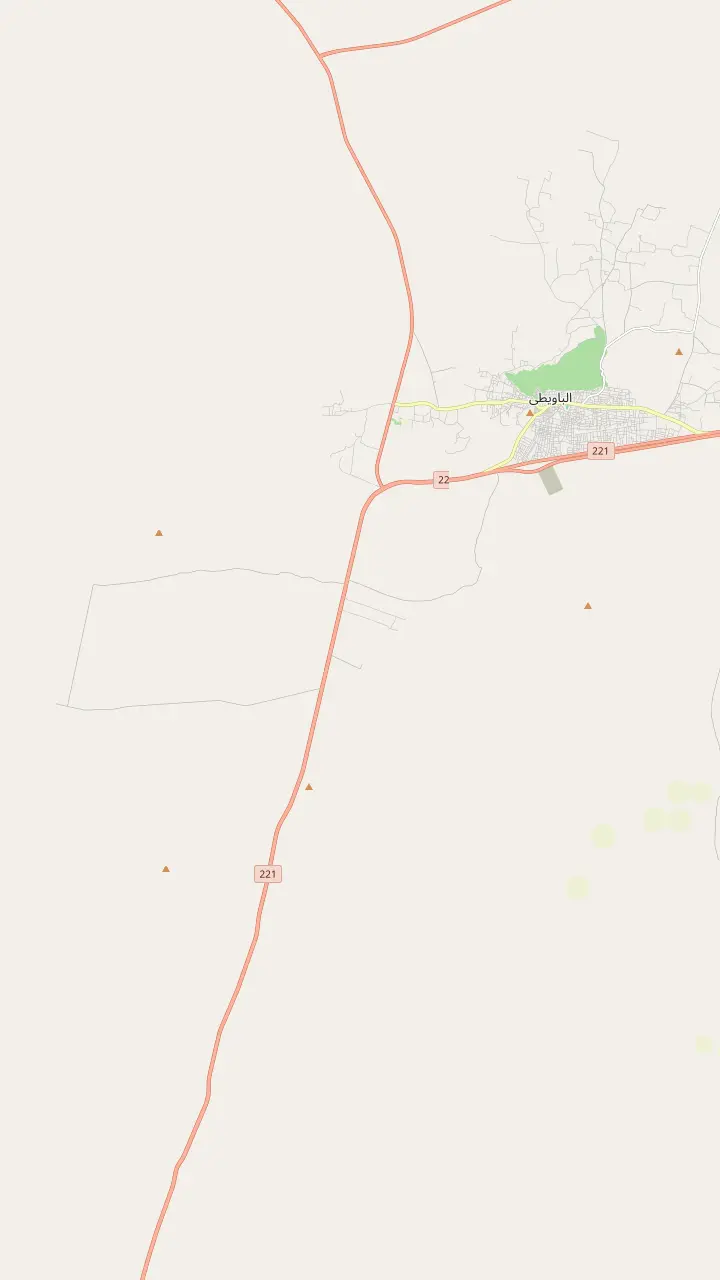
Bawiti is the capital of the oasis, with the most services of its villages.
Google MapsThe Bahariya Formation is the Upper Cretaceous rock unit that has produced the dinosaurs described in Science.
Google MapsThe Valley of the Golden Mummies lies about 6 km south of Bawiti on the road to Farafra.
Google MapsThe Black Desert lies about 50 km south of Bawiti, with dolerite hills.
Google Maps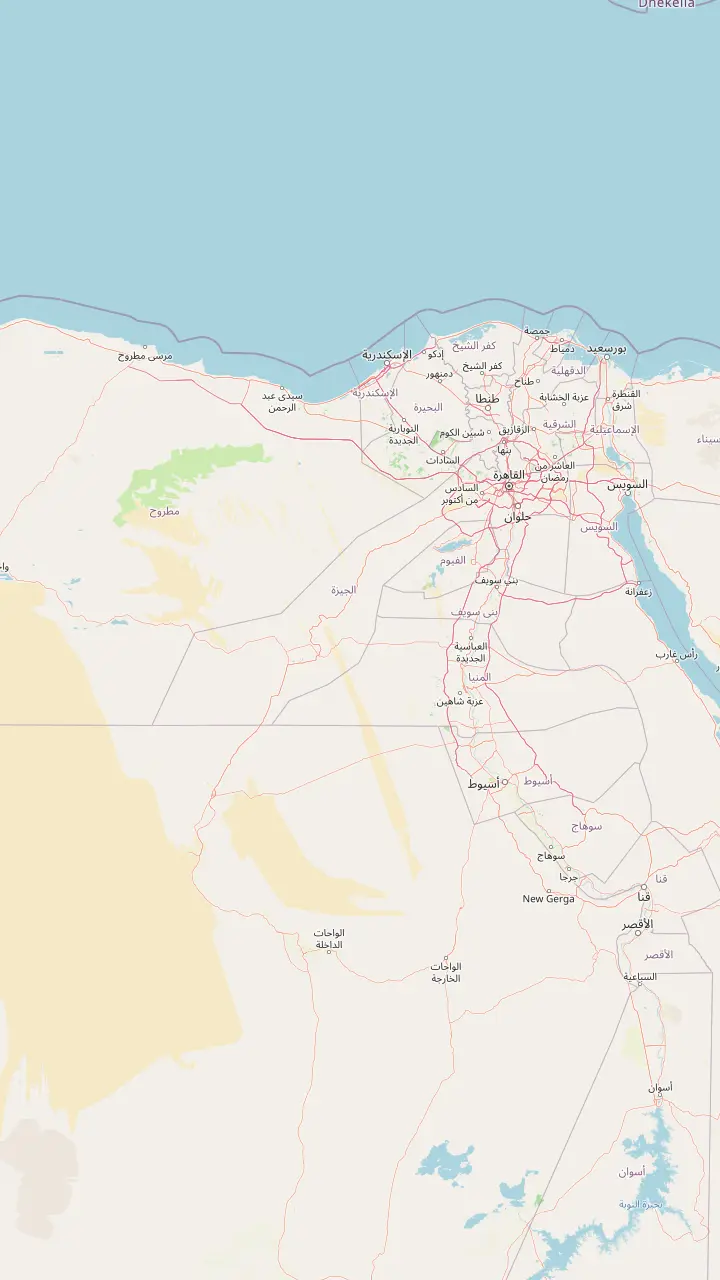
Cairo is where the tours start, with pickup from a hotel in Cairo or Giza.
Google MapsThe Giza pyramid plateau lies about 380 km east of Bahariya Oasis by the figure Zahi Hawass gives for the drive west.
Google MapsBawiti is the capital of the oasis, with the most services of its villages.
Google MapsFarafra Oasis lies 170 km south of Bahariya Oasis.
Google Maps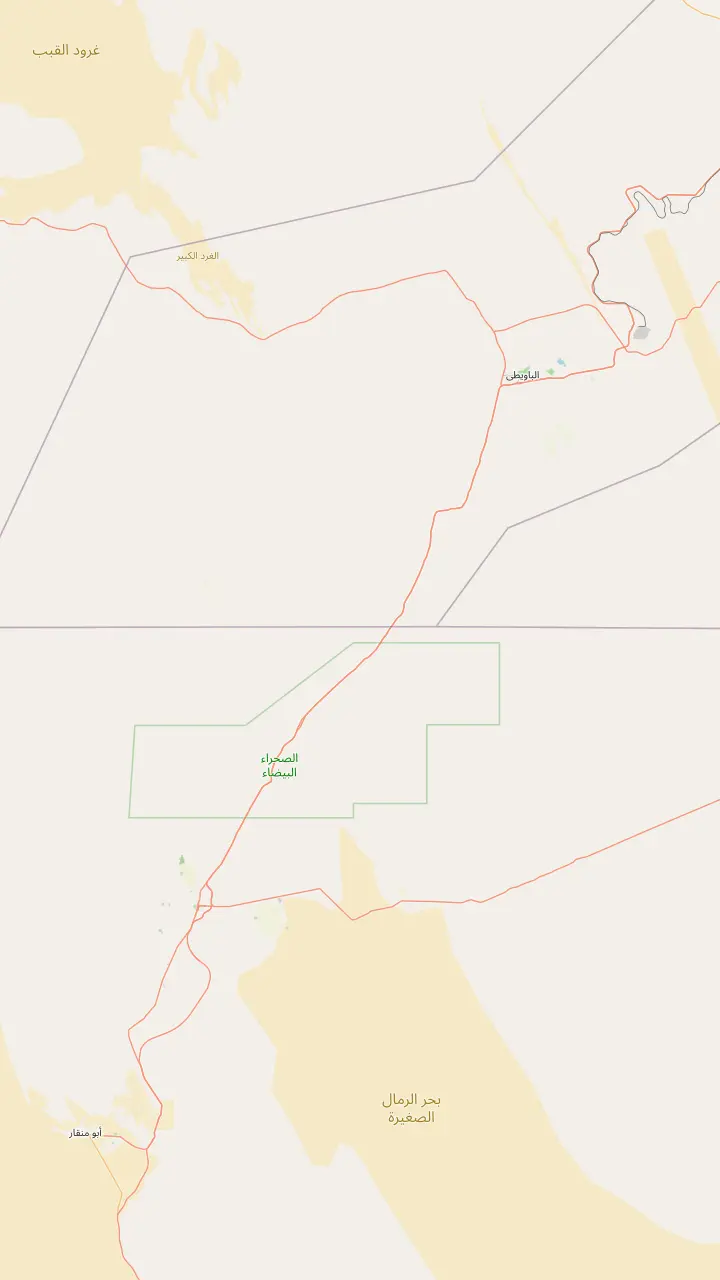
Bawiti is the capital of the oasis, with the most services of its villages.
Google MapsThe Black Desert lies about 50 km south of Bawiti, with dolerite hills.
Google MapsCrystal Mountain lies in the White Desert, 160 km from Bahariya Oasis.
Google MapsThe White Desert is a protected area of 3,133.5 km2, declared in 2002.
Google MapsFarafra Oasis lies 170 km south of Bahariya Oasis.
Google MapsMap data by © OpenStreetMap contributors
A coastline of mangroves, a sauropod with an arm bone longer than any known from its age, and a mountain the Ministry points to for fossil remains: what the sources say.
Editorial team, bahariyaoasis.quest · Updated November 23, 2026 · Reading: 7 min
The essentials
Bahariya Oasis is better known for white chalk and golden mummies, yet Bahariya Oasis dinosaurs give the area a second reason to visit. The Ministry of Tourism and Antiquities points visitors to Gabal Maghrafa, a mountain best known for the dinosaur fossils found there.4 That sentence is the official tourism line, and it gives you a reason to ask your guide about the geology on any trip.
According to the State Information Service, the Bahariya Oasis Reserve in Giza Governorate takes in the Dast and Magharfa regions, Jabal al-Ingliz and the Black Desert.6 It says the reserve was declared a nature reserve in 2010.7 The spelling of the mountain varies between pages, as Maghrafa and Magharfa, so look for both when you search for it on a map or in a guidebook.
What follows is the scientific story, taken from the paper that described the biggest dinosaur found in the oasis, and from the environment agency's notes on the rocks of the region. Where a source does not name a species or a site, this page does not either. Popular pages about Bahariya often add names and sizes that no official source supports, and those are left out.
The facts
| Item | What the abstract says | Source |
|---|---|---|
| The animal | Paralititan stromeri, a titanosaurid sauropod | Science abstract1 |
| The bone | A humerus of 1.69 m | Science abstract2 |
| The setting | Mangrove deposits on a coast | Science abstract8 |
| The rock | The Upper Cretaceous Bahariya Formation | Science abstract3 |
| The mountain | Gabal Maghrafa, famous for fossils | Ministry of Tourism4 |
Figures are taken from the published abstract through the US National Library of Medicine and from the Ministry of Tourism and Antiquities.1,4
The key source is a paper in the journal Science, published on 1 June 2001, which describes a giant sauropod dinosaur found in mangrove deposits of Late Cretaceous age in Egypt.5 The lead author worked at the Department of Earth and Environmental Science, University of Pennsylvania.9 The abstract is public through the US National Library of Medicine, and it is the basis for every fact in this section.
According to the abstract, Paralititan stromeri is the first tetrapod to be reported from Bahariya since 1935.1 That means a gap of decades in which no new fossil tetrapod, the group that includes the dinosaurs, had been reported from the oasis. Scientists had worked at Bahariya before, and the paper reopened the question of what else the formation might hold.
The paper describes a giant titanosaurid sauropod from coastal deposits of the Upper Cretaceous Bahariya Formation.1 The word coastal matters, and it is the key to the whole picture: this was not a desert animal. It lived by a shore, among tidal waters, and the dry land that visitors see today was a very different world when it died.
From the coast to the paper
Long ago
The sauropod was preserved in mangrove deposits at the coast.8
Cretaceous rock
The Upper Cretaceous Bahariya Formation holds the fossils.3
1935
No tetrapod was reported from Bahariya again until the paper.1
June 2001
Science published the description of the giant sauropod.5
2010
The Bahariya Oasis Reserve was declared.7
Today
The Ministry points to Gabal Maghrafa for fossils.4
The abstract gives one measurement, and it is a striking one. The humerus of Paralititan stromeri is 1.69 m long, longer than that of any known Cretaceous sauropod.2 The humerus is the upper bone of the front limb, and a bone that long implies a very large animal, though the abstract does not give a weight or a total length, so this page does not either.
Websites and tour guides often quote sizes for the whole dinosaur, and those figures vary from source to source. Without a figure in the official abstract, the safest statement is the one the paper makes: a humerus of 1.69 m, longer than any known Cretaceous sauropod's.2 That is a comparison you can picture, since a bone as long as an adult is a lot to take in.
The abstract adds that the skeleton was scavenged and preserved in mangrove deposits.8 Its authors suggest that titanosaurids and the predators that hunted them regularly waded into such settings. That is a scientific suggestion, not a fact about the oasis today, but it gives a vivid image of large animals on a muddy, tidal coast, and of predators picking over a carcass.
Plan it
Say how much you care about fossils and see what to plan.
If I only want a fun fact
Read the abstract's headline
The humerus is 1.69 m, longer than any known Cretaceous sauropod's.2
If I want to see the fossil mountain
Ask for Gabal Maghrafa
The Ministry says it is famous for dinosaur fossil remains.4
If I want the science
Read the Science paper
It appeared in Science on 1 June 2001.5
If I want a desert tour with some geology
The 2-day camp tour
It joins dark hills, a quartz hill and white chalk in one trip.
If I want to take a fossil home
Leave it where it lies
The White Desert is an open museum for fossils, not a shop.10
Three things to know
Fossil
A very long humerus
See the tour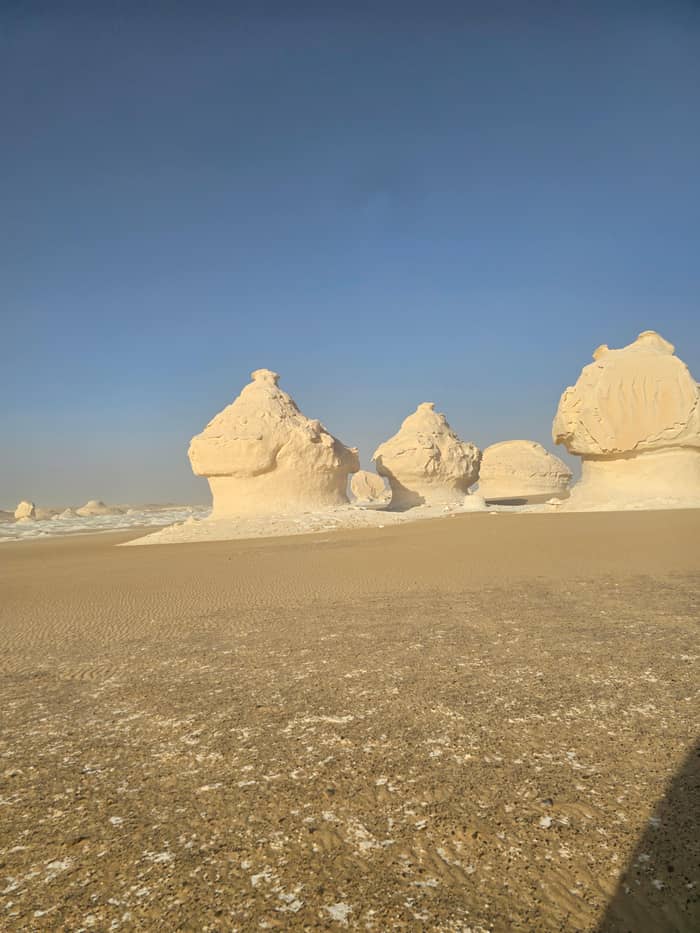
Geology
A named formation
See the tour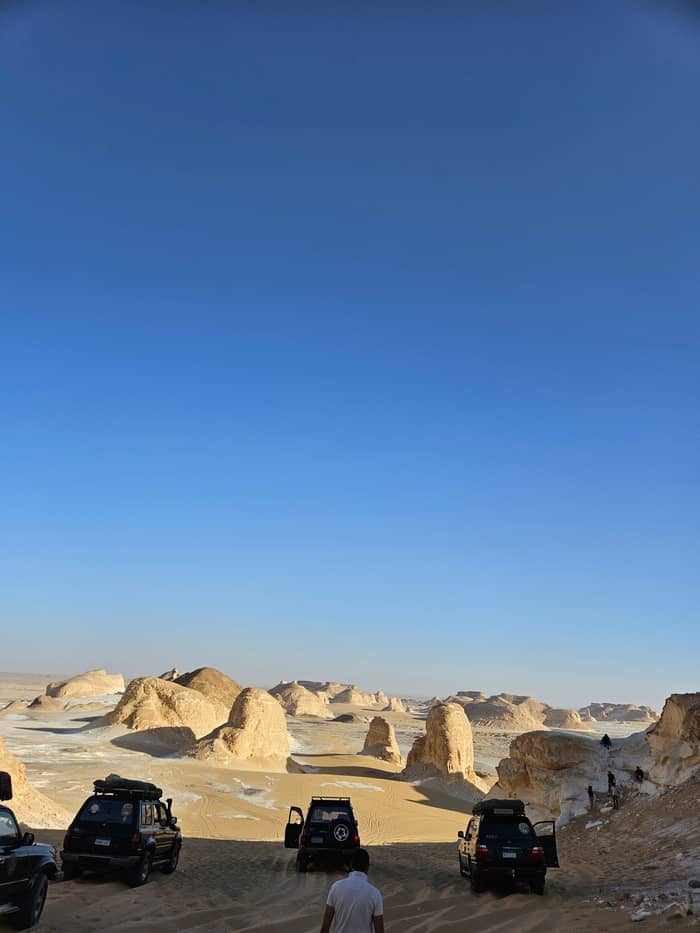
Visit
A hike with a guide
See the tourThe abstract says the Upper Cretaceous Bahariya Formation has produced 3 theropods the size of Tyrannosaurus, and numerous other vertebrate taxa.3 A formation is a layer of rock that geologists name and map, and this one is rich enough to carry that title. It is the main reason that Bahariya appears in the literature of dinosaur science.
Elsewhere in the region the rocks are of similar age. The environment agency's notes on the White Desert area say the rocks exposed there are sedimentary and range in age from Cretaceous to recent,21 and that a formation of Upper Cretaceous age covers most of the Farafra depression.22 The same era that laid down the white chalk also laid down the coastal deposits of Bahariya.
The Giza governorate says the Black Desert has hills of limestone and volcanic origin.23 The Tourism Authority says the black hills there are volcanic, and that their black rocks are dolerite.15 The geology of Bahariya Oasis shows several chapters in a short drive: a coastline and its fossils, a chalk sea floor, and later volcanic caps on the hills.
The Giza governorate says the White Desert lay under water long ago, and that its shapes come from a plateau broken down by wind and sand.24 The same draft plan from the environment agency calls that chalk snow white and says it has weathered into stacks tens of metres tall.25,26 The sea that deposited it is a cousin of the one that left the mangroves.
One State Information Service page treats the White Desert as an open museum, a place to study desert environments, fossils and wildlife.10 That fits a landscape where the ground itself is the exhibit. You do not need a glass case to feel the age of the place, and a good guide can show you shell fragments, layers and eroded shapes along the way.
It helps to keep the roles straight. The chalk is the sea floor, the formation with the dinosaur is the coast, and the dark hills are younger volcanic rock. A tour that crosses all three in a single day gives a rough cross-section of deep time, and it is one reason people find the route so rewarding, even if they never see a bone.
Video
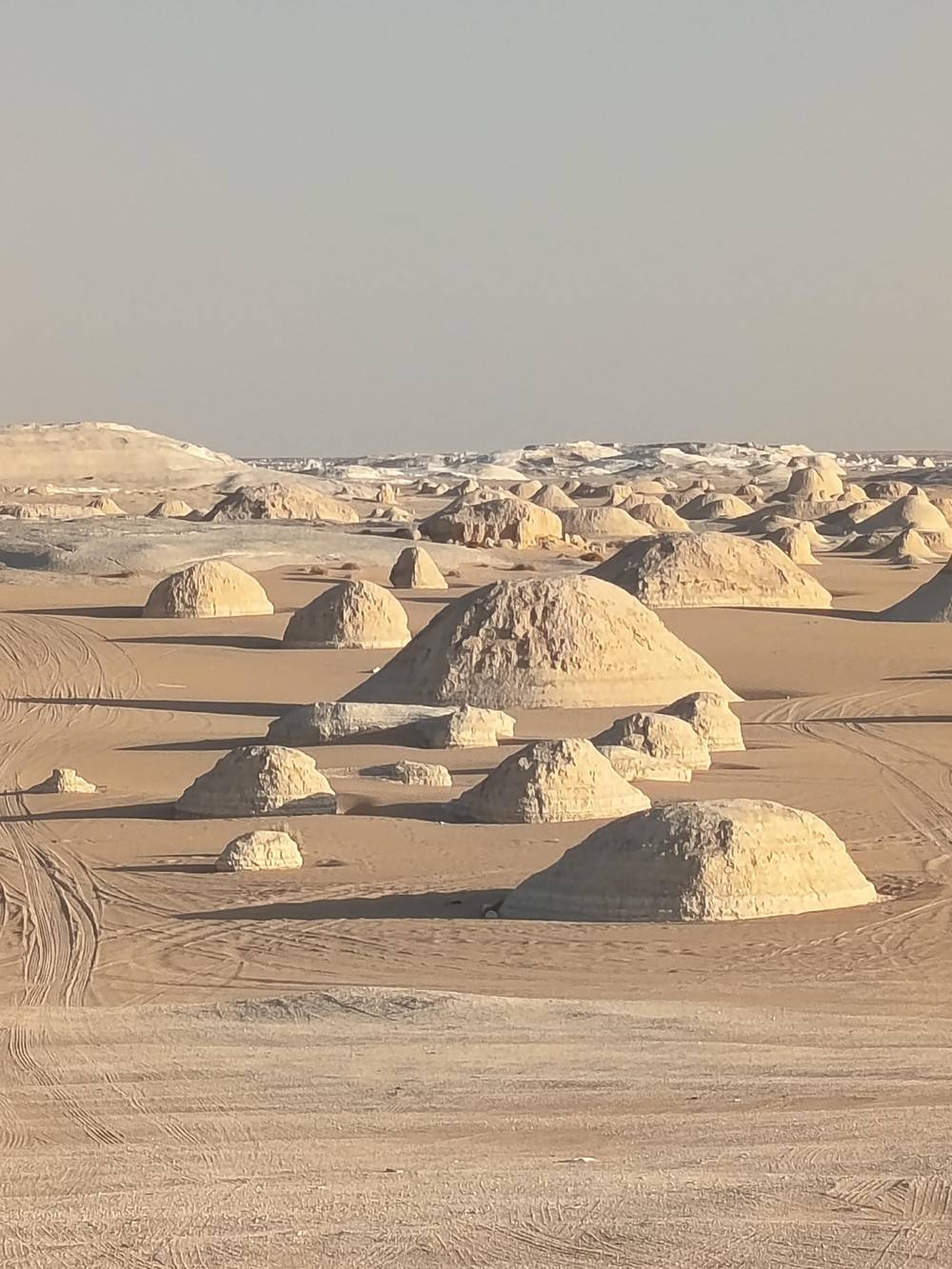
DinoDocs on YouTube · Nothing is fetched until you hit play.
The autochthonous scavenged skeleton was preserved in mangrove deposits
Before you go
The sources do not describe a dinosaur exhibit that a visitor can walk into, so be careful with promises. The Ministry suggests a hike up Gabal Maghrafa, the mountain known for its fossils.4 Treat it as a place to ask about and visit with a local guide, not as a ticketed museum. If you want a collection of fossils behind glass, ask your operator what is open before you travel.
The record of the camp tour from Cairo or Giza highlights the oasis itself, English Mountain, Crystal Mountain and the national park museum, but it does not name Gabal Maghrafa. The Ministry names Gabal al-Ingleez as a place for the best views.27 If dinosaurs are your main reason to go, ask for the mountain and the fossil area to be added to the day.
Do not collect anything. The White Desert is a protected area, the Bahariya reserve was declared in 2010, and fossils are scientific records that lose their value when moved.7 Take photographs and notes, and leave stones and bones in place. If you do find something that looks like a bone, tell your guide, and let the authorities handle it as they should.
People searching for Bahariya dinosaurs often type the name of the sail-backed Spinosaurus. The abstract used here does not name it, so this page cannot confirm the species, the dates or the history of that animal from an official source, and it states none of them. What it does say is that the formation has produced 3 theropods the size of Tyrannosaurus.3
That wording is the useful part for a visitor. It tells you that the large predators of the Bahariya coast were among the biggest of their kind, and that the oasis is a place of real scientific interest. For the history of individual species, consult a natural history museum or a published paper, since a tour guide's story can mix species and years.
If you plan a trip around fossils, build it around what the sources give: a mountain the Ministry names, a formation that science has described, and a landscape the State Information Service calls an open museum. The 2-day camp tour costs from $206, with a free cancel window until a day before the start, and you can raise the fossil request with the operator when you book.
FAQ
A paper in Science describes Paralititan stromeri from coastal deposits in the Bahariya Formation.1
The abstract says it is longer than that of any known Cretaceous sauropod.2
The Ministry calls it a mountain famous for the dinosaur fossil remains discovered there.4
The paper appeared in Science on 1 June 2001.5
The skeleton was preserved in mangrove deposits in coastal rock.8
The Ministry points to a hike up Gabal Maghrafa and does not name a museum.4
The listing names Crystal Mountain, English Mountain and Bawiti, so put the question to the operator.
Sources
Planning a night in the White Desert? Ask a real person here.